
September 15, 2026
Upper-End Activity Holds Steady on the Gulf Coast as Fall Inventory Expands
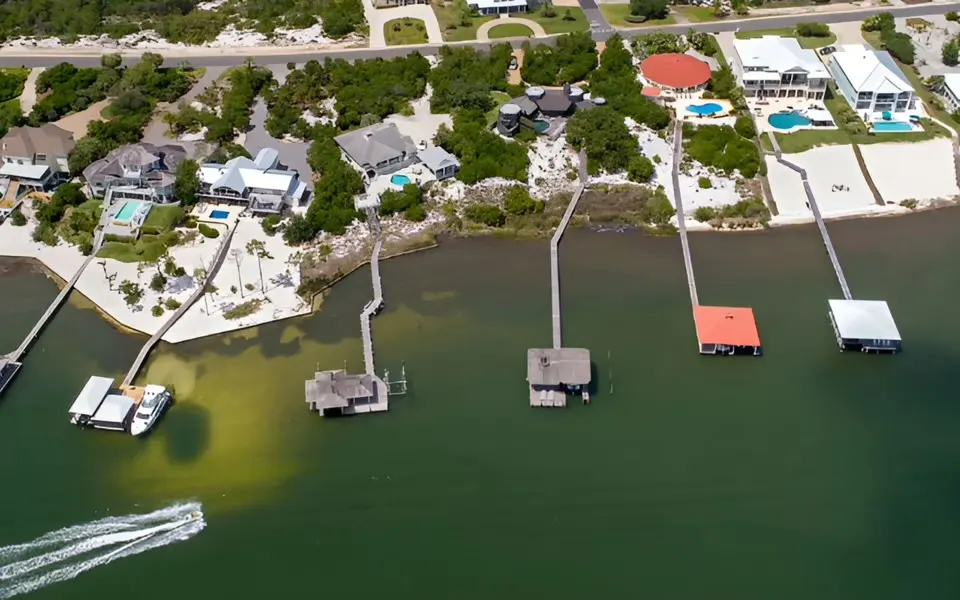
The higher price tiers in Gulf Shores and Orange Beach have remained one of the more resilient segments of Baldwin County's coastal market. While transaction volume across the broader market has moved in fits and starts over the past couple of years, buyers shopping for beachfront condominiums, Ono Island waterfront, Fort Morgan peninsula homes and larger properties in the Fairhope area continue to tour, write offers and close. Much of that activity is driven by buyers who are not dependent on conventional financing, which insulates the upper end from the rate sensitivity that shapes decision-making in the entry and mid-price ranges.
What has changed this fall is the supply side. Inventory has broadened across most of the coastal submarkets, and the effect is especially noticeable in the segments that were thinnest during the peak years. Buyers looking at Gulf-front condominium towers, canal-front homes with boat access, or golf-community properties now have meaningful choice within a single price band rather than one or two options that fit their criteria. Days on market have stretched, and listings that would have drawn immediate attention a few seasons ago are sitting long enough for buyers to compare them side by side, revisit a property before deciding, and negotiate on terms as well as price.
That shift is beginning to register with sellers. Owners who listed in the spring at aspirational numbers — often anchored to what a neighbor achieved during the most competitive stretch of the cycle — have had time to watch comparable properties come to market and, in many cases, transact below the original asking price. Price reductions have become a normal part of the listing cycle rather than an admission of failure, and more sellers are entering the market with realistic expectations from day one. Practically, this means the gap between what buyers are willing to pay and what sellers hope to receive has narrowed, which is the precondition for a healthier volume of closings.
For buyers, the practical takeaway is that leverage has improved without the market turning distressed. There is no evidence of a broad correction in coastal Alabama values; what has occurred is a return to normal negotiation. Buyers are securing concessions that were nearly impossible to obtain a few years ago — repairs identified in inspection, closing cost contributions, longer due diligence windows, and in rental-oriented condominium purchases, more careful accounting of assessments, insurance and management costs. Those carrying costs deserve close scrutiny in any Gulf Coast purchase, since insurance premiums and condominium association budgets vary significantly from building to building and can materially change the economics of a property.
Sellers at the upper end are not without advantages. Genuinely distinctive properties — direct Gulf frontage, deep-water access on Ono Island or the Intracoastal, protected bay views in the Fairhope and Point Clear corridor — remain limited in number and continue to draw interest from outside the region. The sellers finding success are the ones pricing to current evidence rather than past peaks, presenting the property in move-in condition, and being flexible on closing timelines. In a market with more competing listings, preparation and pricing discipline separate the properties that go under contract from those that accumulate days on market and eventually sell for less.
Seasonally, fall and early winter have historically been a productive window on the Alabama Gulf Coast. Showing traffic includes visitors evaluating the area during a quieter time of year, and sellers who have carried a listing through the summer are frequently more motivated as the year closes. Whether you are buying or selling, the current conditions reward preparation: understanding recent comparable sales in your specific building or neighborhood, verifying insurance and association costs before you commit, and setting expectations based on where the market is today rather than where it was at its most competitive.