
September 15, 2026
Mortgage Rates Near 7%: What a High-Rate Market Means for Baldwin County Buyers
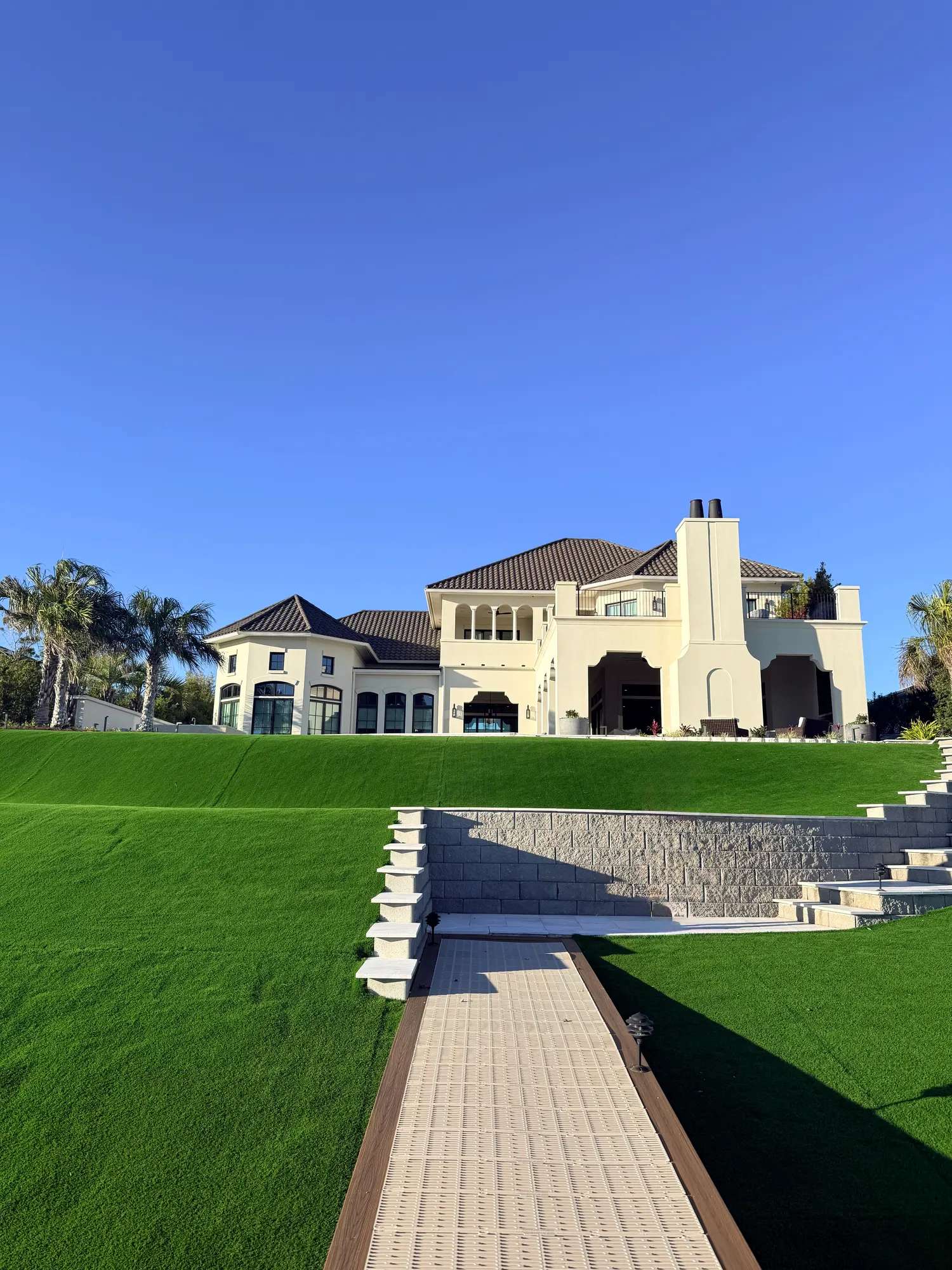
Headlines about the average 30-year fixed mortgage rate touching the 7 percent range tend to land the same way every time: buyers pause, sellers get nervous, and everyone waits to see what happens next. On Alabama's Gulf Coast, though, the story is more nuanced than a single national number suggests. Baldwin County's market is a blend of primary-residence demand in places like Fairhope, Foley, and Daphne and second-home and investment demand in Orange Beach, Gulf Shores, Fort Morgan, Perdido Key, and Ono Island. Those two segments respond to financing costs very differently, and a national average rate doesn't capture either one perfectly.
The most important thing to understand about a higher-rate environment is what it does to competition. When borrowing costs rise, a portion of buyers step back — some because monthly payments no longer fit their budget, others simply because they'd rather wait for better news. Fewer active buyers generally means more days on market, more room to negotiate, and more willingness among sellers to discuss concessions, closing-cost help, or rate buydowns. That is the practical tradeoff of buying in a high-rate market: you pay more for the money, but you often have more leverage over the terms of the deal and less pressure to waive contingencies or bid against multiple offers.
The flip side is what typically happens when rates ease. Lower financing costs bring sidelined buyers back into the market, and they tend to return faster than new inventory can be added — especially in coastal submarkets where buildable land is limited and new condo projects take years to deliver. When demand returns quickly against a fixed supply of Gulf-front and bay-area properties, upward pressure on prices is the common result. Buyers who purchased during the slower stretch may have the option to refinance if rates decline, while buyers who waited may find themselves competing for the same units at higher asking prices. No one can guarantee the timing or the size of that shift, but the general pattern — cheaper money pulling demand forward and tightening supply — has repeated across many housing cycles.
There are real caveats worth weighing. Rates may stay elevated longer than forecasters expect, and a purchase made today has to make sense on today's payment, not a hypothetical future one. On the coast specifically, the mortgage rate is only one line in the budget. Insurance — wind, flood, and hazard — condominium association dues, special assessments, and reserve funding can move the total monthly cost significantly, and lenders will underwrite those figures. Buyers considering rental income should look closely at actual historical performance for the building or neighborhood, management costs, and any rental restrictions rather than relying on general projections. A property that pencils out under conservative assumptions in a 7 percent environment is a far more durable purchase than one that only works if several things break your way.
It's also worth noting how much of the Baldwin County coastal market transacts without a mortgage at all. Cash and low-leverage buyers are a meaningful share of activity in Orange Beach, Perdido Key, and Ono Island, which is part of why coastal pricing here has historically been less rate-sensitive than markets driven almost entirely by financed primary residences. For financed buyers, that dynamic cuts both ways: rates cool your competition less than you might hope, but it also means the market has a floor of demand that doesn't evaporate when the Federal Reserve makes news.
If you're evaluating a purchase right now, the useful exercise is not predicting rates — it's running the numbers on a specific property with current insurance quotes, current dues, and a realistic financing structure, then comparing that against what the same property might cost if buyer demand picks up. Talk with a lender about buydowns, adjustable products, and what a refinance would actually cost later. Our team is happy to walk through recent activity in the specific building, subdivision, or corridor you're considering so the decision rests on local data rather than a national headline.